Marvel's Wolverine Review - Not Quite A Cut Above
For those who are fans of the Marvel license, you’ve been eating pretty well in the video game realm. From Guardians Of The Galaxy to Marvel’s Iron Man VR, The Avengers, and Insomniac’s Spider-Man titles, if you’re a fan of Marvel comics, then it is quite likely that there is a modern video game adaptation for you. Though renowned and beloved for their work on a trio of acclaimed Spider-Man games, Insomniac wasn’t content with solely working on the web-slingers and has once again collaborated with Marvel to explore the world of another of its cherished superheroes, Wolverine. The road to release has been a tormented one, with a well-documented leak exposing a lot of key development details on the game, and the influence of this is somewhat visible in the product, with the game lacking an identity that truly hooks you in, like the Spider-Man titles, despite there still being many elements to be celebrated in this final release.
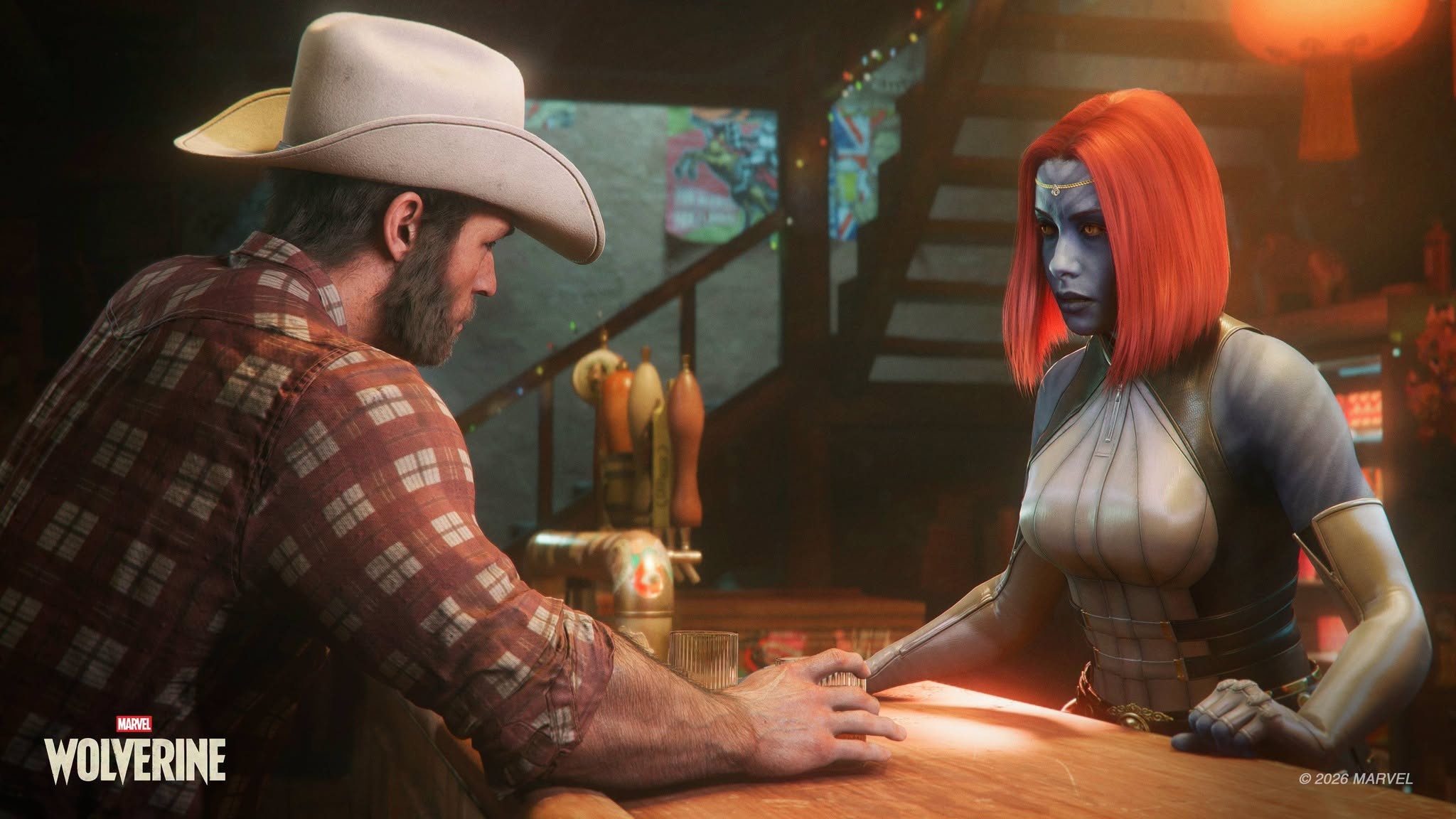
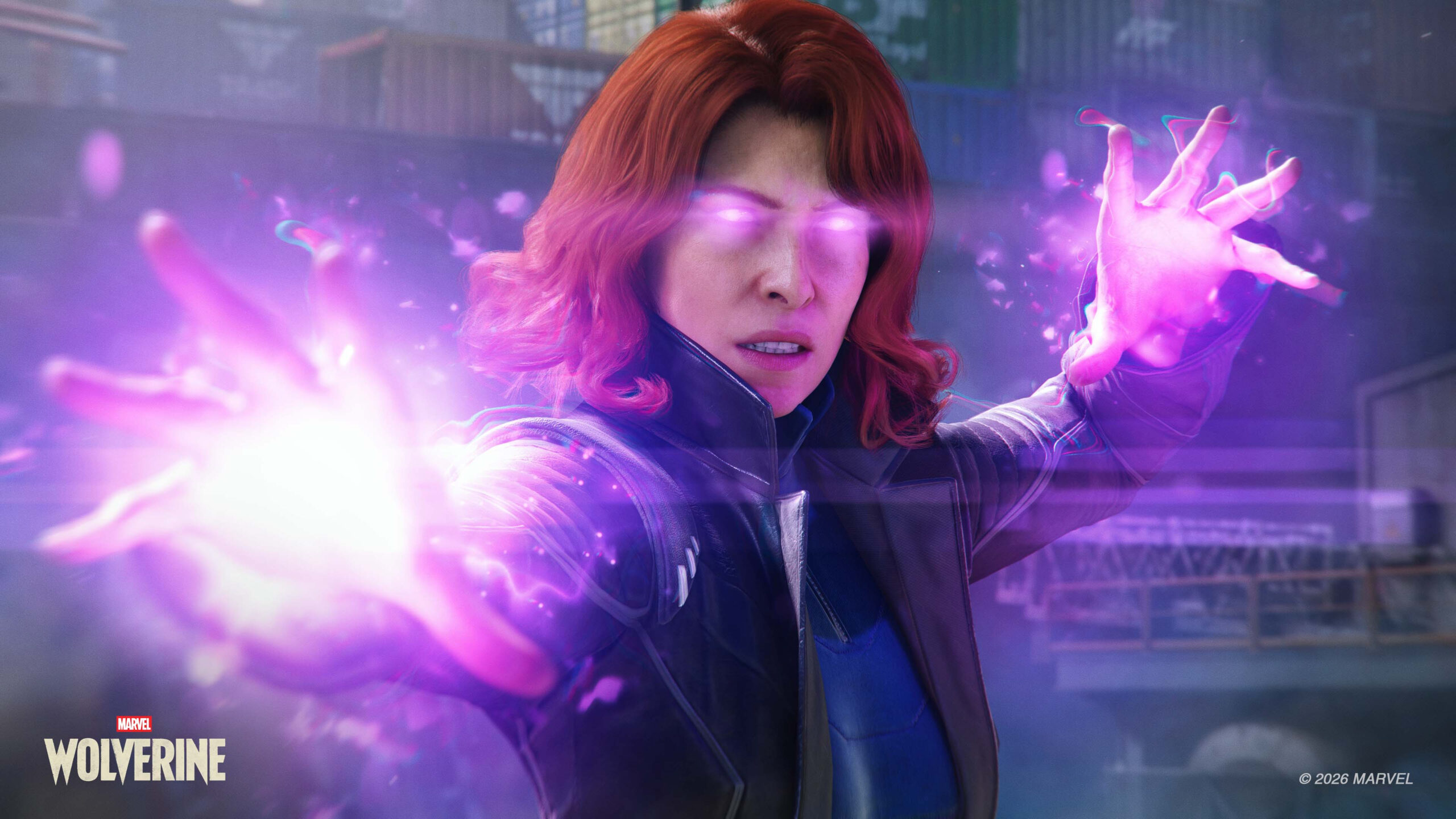
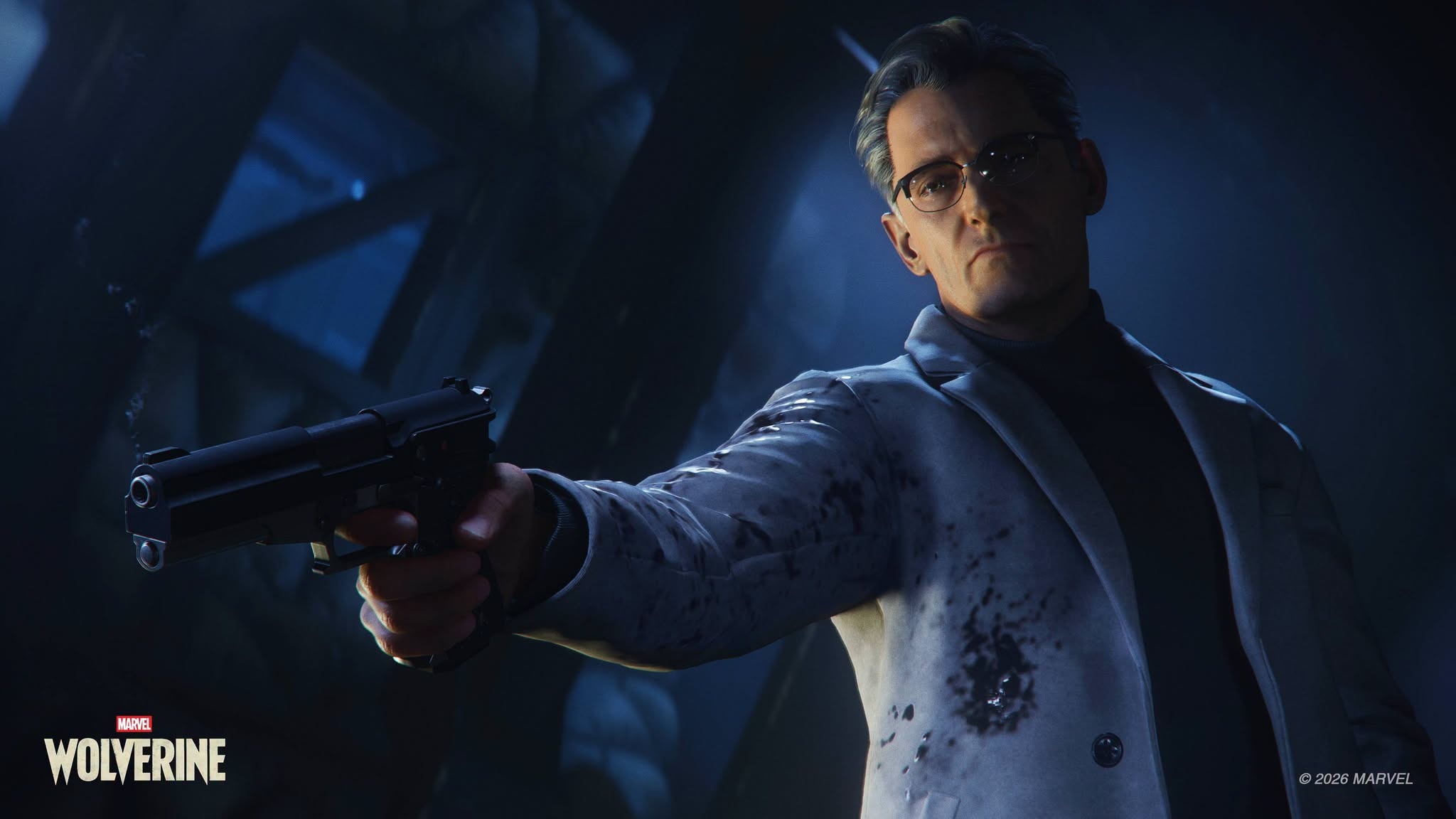
Marvel’s Wolverine is set in a world seemingly disconnected from that of the Spider-Men. Logan’s world is darker, deadlier, and more devastating than what we’re used to, and through the campaigns 16-18 hour long duration, players will undoubtedly feel the weight of the world bearing down upon them. Logan had separated himself from Team X but returns to his “family”, headed by Nathaniel Essex who sends Logan, along with other members of Team X, Sabretooth and Mystique, to infiltrate a facility owned by tech billionaire and anti-mutant sentimentalist, Bolivar Trask. As the investigation into Trask takes some turns, Logan will soon be introduced to Jean Grey, and added complexities, such as the Helix Engines, are introduced to strain the relationships amongst Team X and pave the way for an epic globetrotting story that grabs you by the scruff of your neck and drags you along for the ride. The story is grizzly, and the brutality comes through in the lead cast’s performances and the game’s writing.
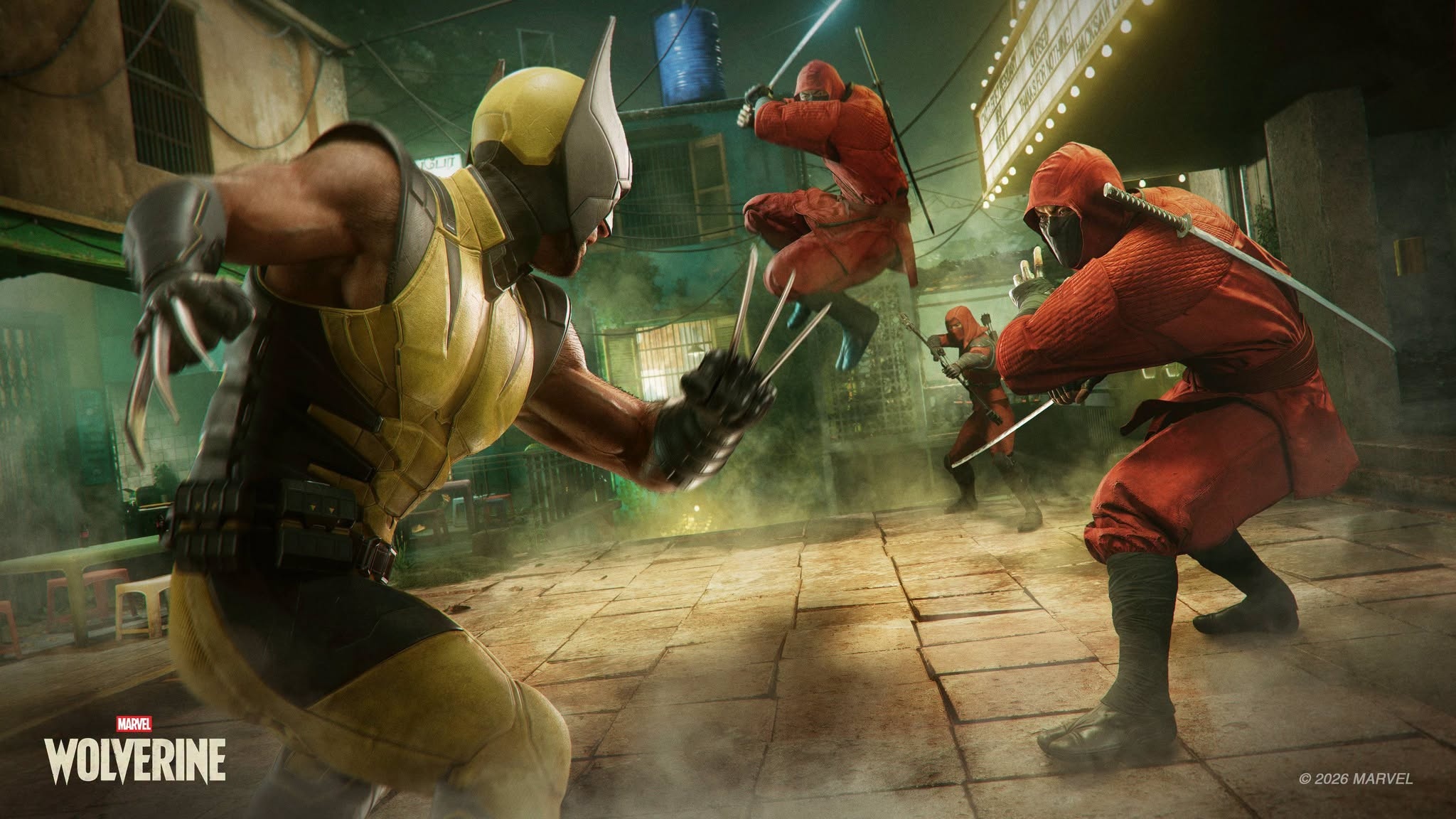
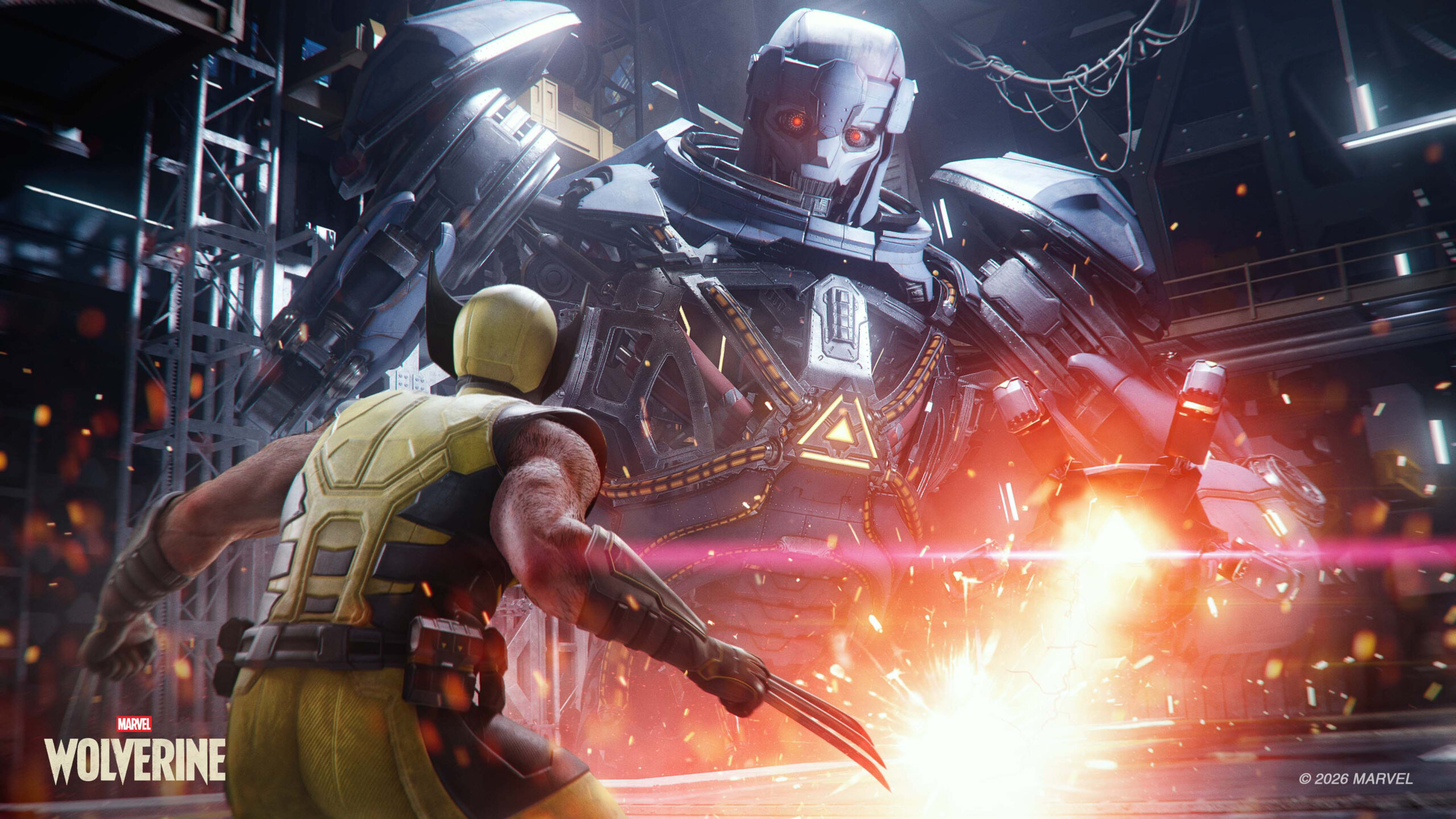
While the narrative experience of Marvel’s Wolverine is superb, it’s in the gameplay experience where the game falters. Marvel’s Wolverine suffers from a lack of gameplay polish and diversity. At its centre, this is a third-person action game, and Logan will be throwing hands constantly, but the gameplay quickly devolves to a point where (regardless of the difficulty level) you will be frantically mashing the square and triangle buttons to attack and L1 to block/parry. There are some alternate, limited-use techniques that require charging and are unlocked with a combination of trigger and button inputs. Each of these techniques, along with a range of other buffs are unlocked through XP accumulated through combat and breaking a range of canisters found scattered throughout the world, prominently placed to encourage breaking. The reality is, the combat is just not that inspiring to partake in; and as the hours roll by, the game does little to shake up the repetitive nature of the combat. It’s not to say there aren’t cool additions along the way, and as more techniques are unlocked, more opportunities to diversify your play style emerge. All options just feel a bit the same though unfortunately. Logan can also enjoy a range of buffs from the game’s adaptation menu, which are available to be unlocked by collecting DNA strands from the successful completion of a selection of side activities, including the game’s “Nightmare Doors”.
Beyond bee-lining it through the core plot, players can explore a range of challenges tucked behind Nightmare Doors where the challenges range from timed platforming exercises, to survival challenges, timed takedowns and more. Along with the Nightmare Doors, you can also find bottles of whisky, caches of materials to be found (which can be crafted into new costumes and blades), and documents and audio logs that can be consumed. It’s not a lot but it puts some additional meat on the Wolverine bone. Again though, it’s all pretty simple stuff, so aside from some narrative beats connected to the Nightmare Doors; there’s not much reason to engage in the game’s additional content slate.
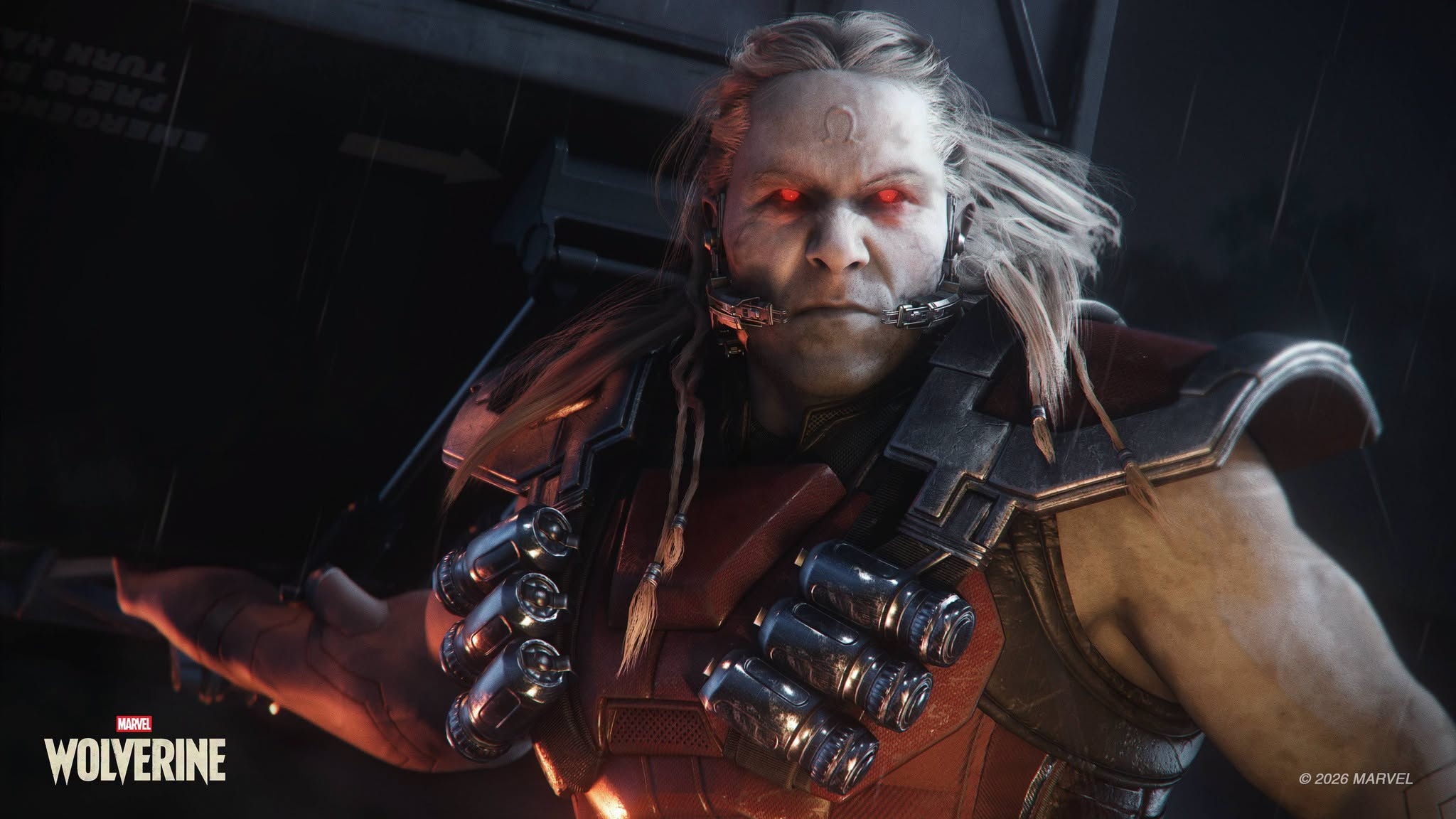
On the presentational front, Insomniac have built upon the foundations of Spider-Man leading to some character models that all feel derivative of what we might see in those earlier games. Wolverine lacks a style in this respect and despite the technical elements of the experience stil being of a high standard, the artistry can’t rise to meet it. The voice acting though, along with the games soundtrack are of a high standard, Liam McIntyre in particular doing an excellent job as Wolverine himself. The game does feature some polish issues, with clumsy terrain navigation hiccups (sometimes connected to awkward invisible walls) and a few bugs (one that locked me in place, unable to move, forcing a checkpoint reset) getting in the way at times.
Watching the relationship between Logan and Jean flourish against the backdrop of a potential cataclysm for mutant folk in a masterfully done, and while the combat is a little repetitious, its bloody brutal, and constantly engaging as a result. The Nightmare Doors, cool selection of alternate suits and claws and other collectibles all add a little to the experience, but everything in Wolverine (aside from the plot) all just feels a bit too “been there, done that before,” which will likely leave you feeling well fed after a lengthy session with the game, but still hungry for a richer experience. Ultimately, Wolverine is a great title, but it had the potential to be excellent, and it seems like Insomniac just struggled with this one to find what makes it tick in a way that hits the heights of Spider-Man, or even the Batman Arkham games. I’m excited for more, because I implicitly trust the team to be able to learn from what has not worked so well in Wolverine, and refine that to build atop the numerous strengths that the game does possess. Hopefully, next time Insomniac just gets a clean run at it.

Marvel’s Wolverine was reviewed on a PS5 Pro with a code kindly provided by PlayStation Australia.